The presentation lasted eleven minutes and contained one slide that mattered: a line, descending, from just over 36,000 students to just under 28,000.
Minneapolis Public Schools has been losing enrollment for a decade, and the decline has accelerated since 2020. The causes are not mysterious and they are not singular. Birth rates in Hennepin County have fallen. Housing costs have pushed families with children to the suburbs. Charter schools and open enrollment to neighboring districts now claim roughly a third of school-age children living within city limits.
The consequence is arithmetic. State funding follows the student. The district's buildings, staffing model and transportation network were designed for a larger system, and the gap between what it operates and what it can fund has widened each year.
District administrators presented three consolidation scenarios this month, closing between four and nine buildings. Each scenario redraws attendance boundaries. Each one, in some neighborhood, closes a school that a community fought to open.
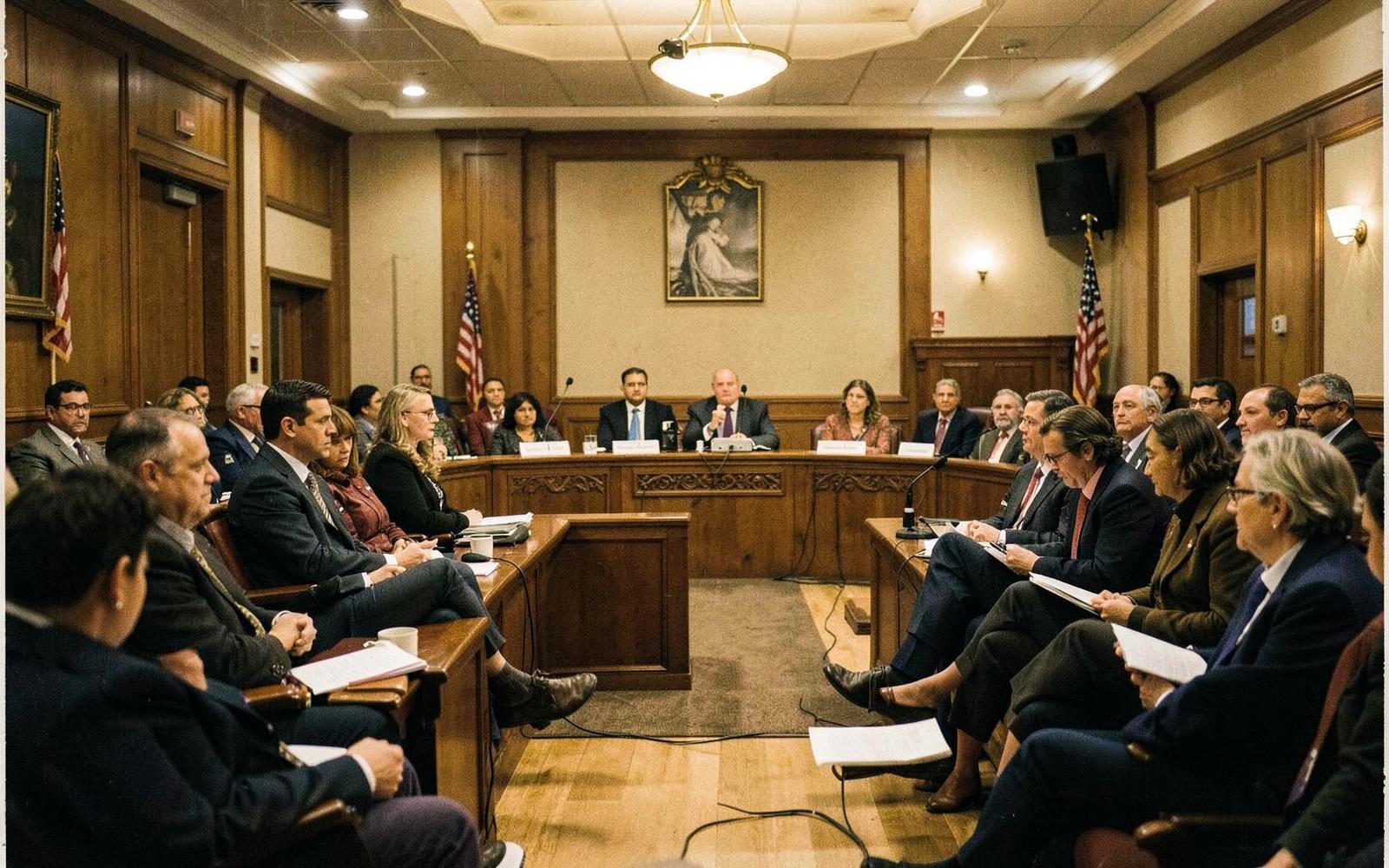
The listening sessions have been crowded and, by the standards of such meetings, unusually specific. Parents arrived with bus route maps, with special-education caseload numbers, with the district's own building utilization data printed and annotated.
"We have read the report," one parent told administrators in a session at a south side high school. "What we want to know is which scenario you actually intend to recommend, because we can all see that two of these are here to make the third one look reasonable."
Administrators deny that framing. But the district's credibility on this question is thin. A 2020 restructuring, adopted over substantial opposition, promised to stabilize enrollment and equalize access to rigorous coursework. Enrollment fell faster afterward, and while the district notes the pandemic makes the comparison unfair, families remember the promise more clearly than the caveat.
There is also a quieter debate about what consolidation is for. Closing buildings saves money on maintenance and heating, which is real but modest. The larger savings come from staffing — fewer principals, fewer half-filled classrooms, fewer specialist positions split across three sites.
Teachers point out that the last item is what parents notice. A school with 180 students may not be able to staff a full-time counselor, a music teacher and an English learner specialist. A school with 400 can.
"Small is not automatically good," said a veteran elementary teacher who has taught in both. "A small school with everything is wonderful. A small school with nothing is just a small school."
The board is scheduled to vote in February, with any closures taking effect in the fall of 2027. Between now and then, the district has committed to publishing the enrollment projections underlying each scenario — a step it did not take in 2020, and one that parents have made a condition of any trust at all.