A 6.4 percent levy increase is a large request in a year when many households are still absorbing higher costs for nearly everything else. It is also, on the evidence, close to what the city's obligations require.
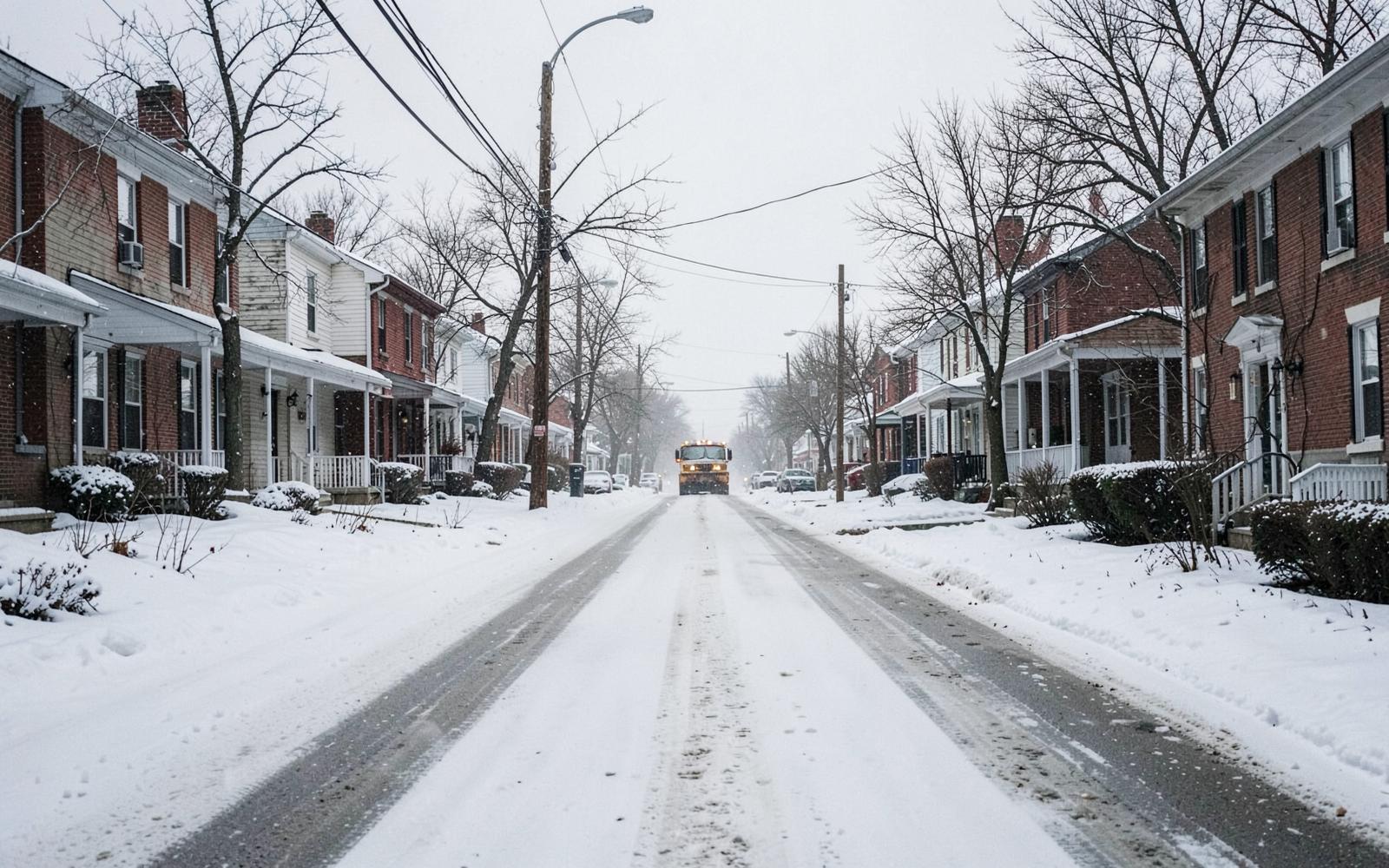
The streets are in measurably poor condition. Snow removal has been underfunded against actual winters for years, a gap papered over by transfers that are no longer available. The behavioral crisis response teams work, by every measure the city has published, and their grant funding ends in June.
We do not find the case for spending unpersuasive. We find the case for trust incomplete.
In each of the last three budget cycles, this council has approved capital spending in the aggregate and left sequencing to staff. The result is that residents are asked to approve a number without learning what it buys on their block. When the pavement condition data shows a seven-year gap in resurfacing cycles between the highest-value and lowest-value assessment districts, the aggregate approach stops being an administrative convenience and starts being an equity problem.
The explanation offered — that utility replacement schedules drive street reconstruction timing — is true. It is also, as the public works director himself acknowledged in writing, not the resident's problem.
The remedy is not complicated. Publish the schedule. Attach to the levy a three-year map of which streets are reconstructed, which are resurfaced, and in what order. Commit to it publicly, and when it changes, say why.
This would cost the city nothing and would expose it to something worse than cost: accountability for a specific promise.
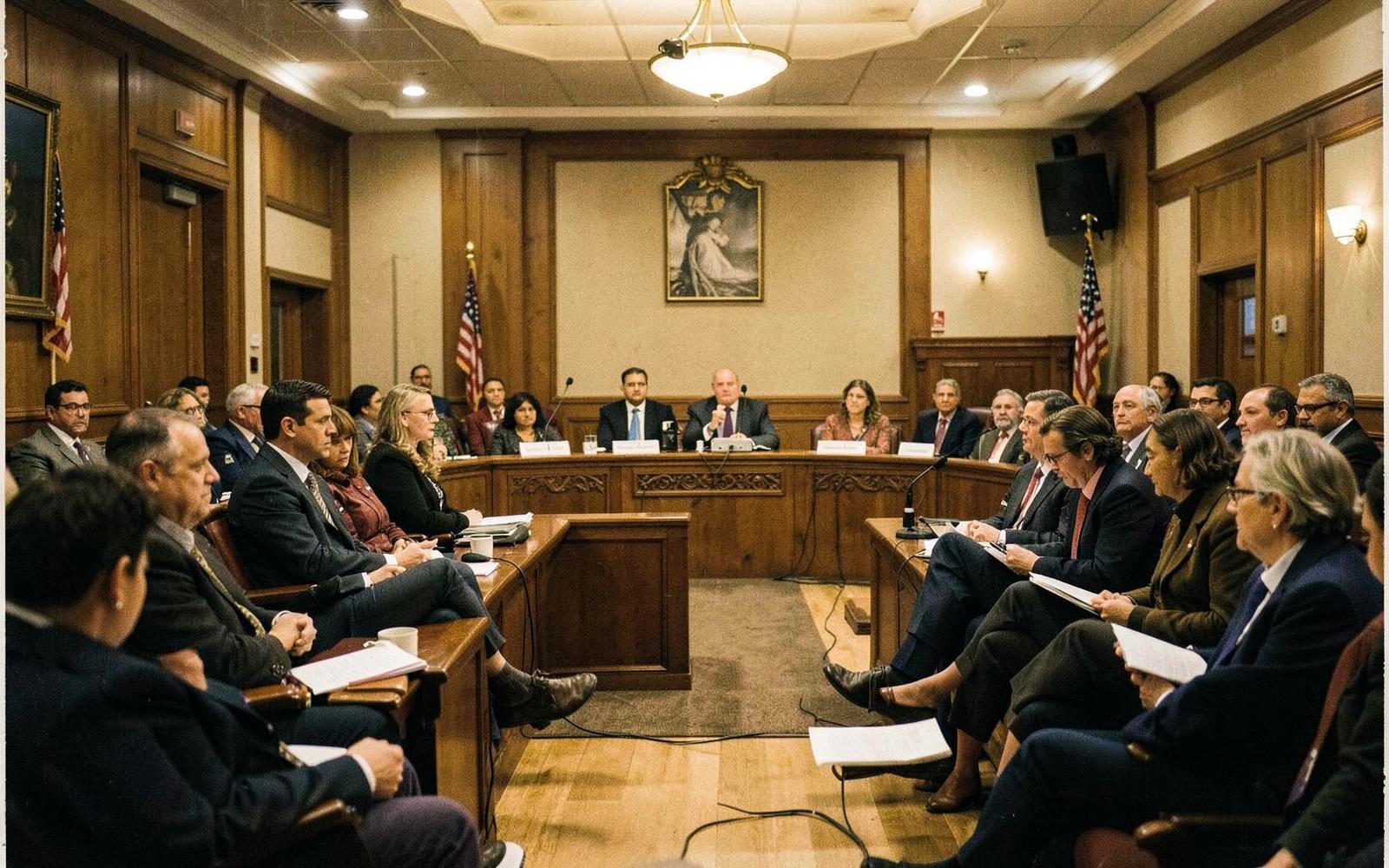
We would also urge the council to hold at least one of the remaining hearings outside downtown. A resident who takes two buses to testify at six o'clock on a weeknight has demonstrated more commitment to this process than most of the people it is designed to serve, and the geography of public comment shapes whose comments get made.
On the number itself, we are less certain than the advocates on either side. A levy in the mid-fives, paired with a genuine review of administrative positions, appears achievable without cutting the programs at issue. We would support that.
What we would not support is another December vote on a total, with the details to follow. The city has spent its credibility on that arrangement. This is the year to stop.