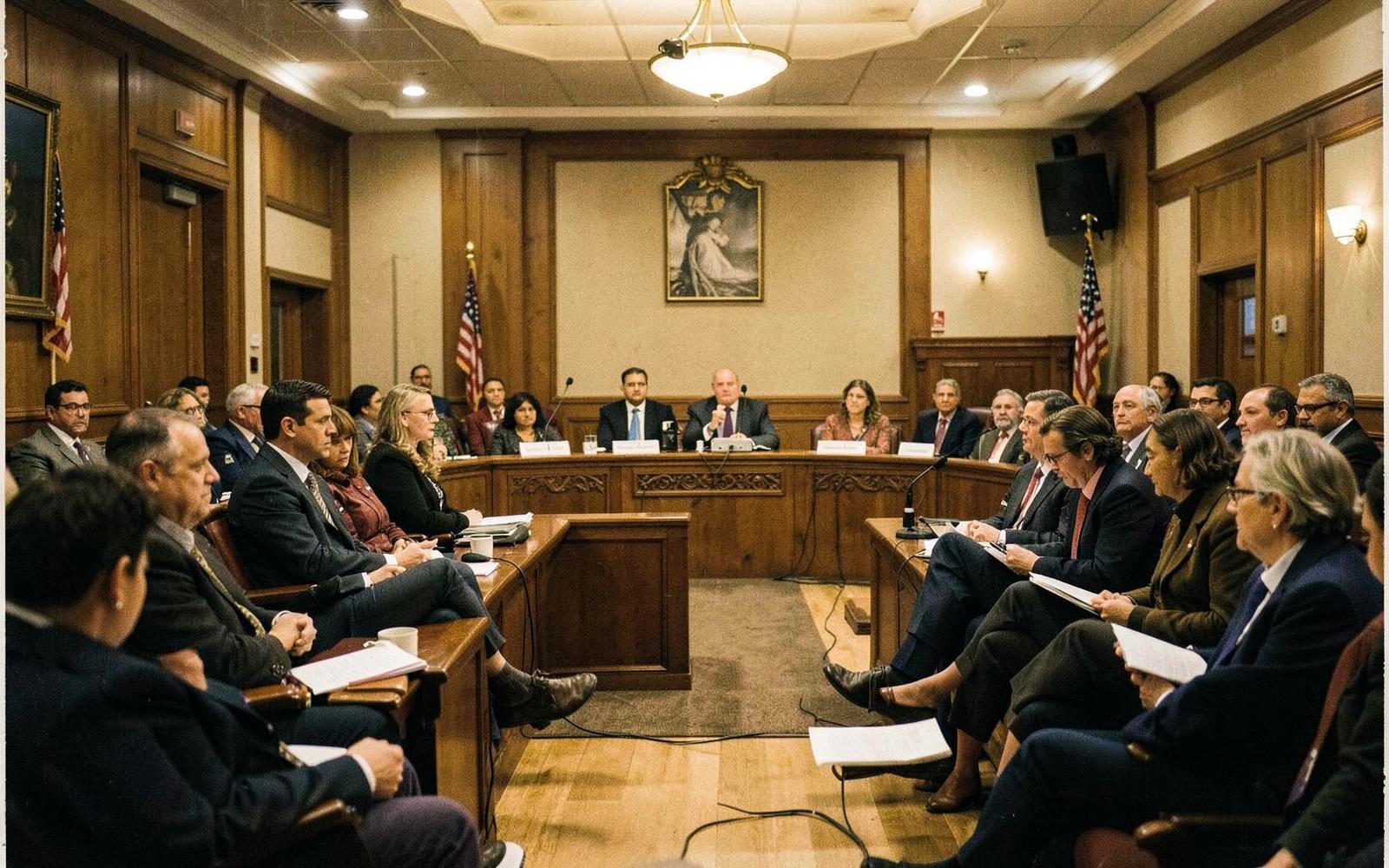
The chamber on the third floor of the Public Service Center was full by six o'clock, which is rarely true of a budget hearing in September. By the time the council's president called the first speaker, forty-one residents had signed the comment sheet, and the line against the back wall reached the door.
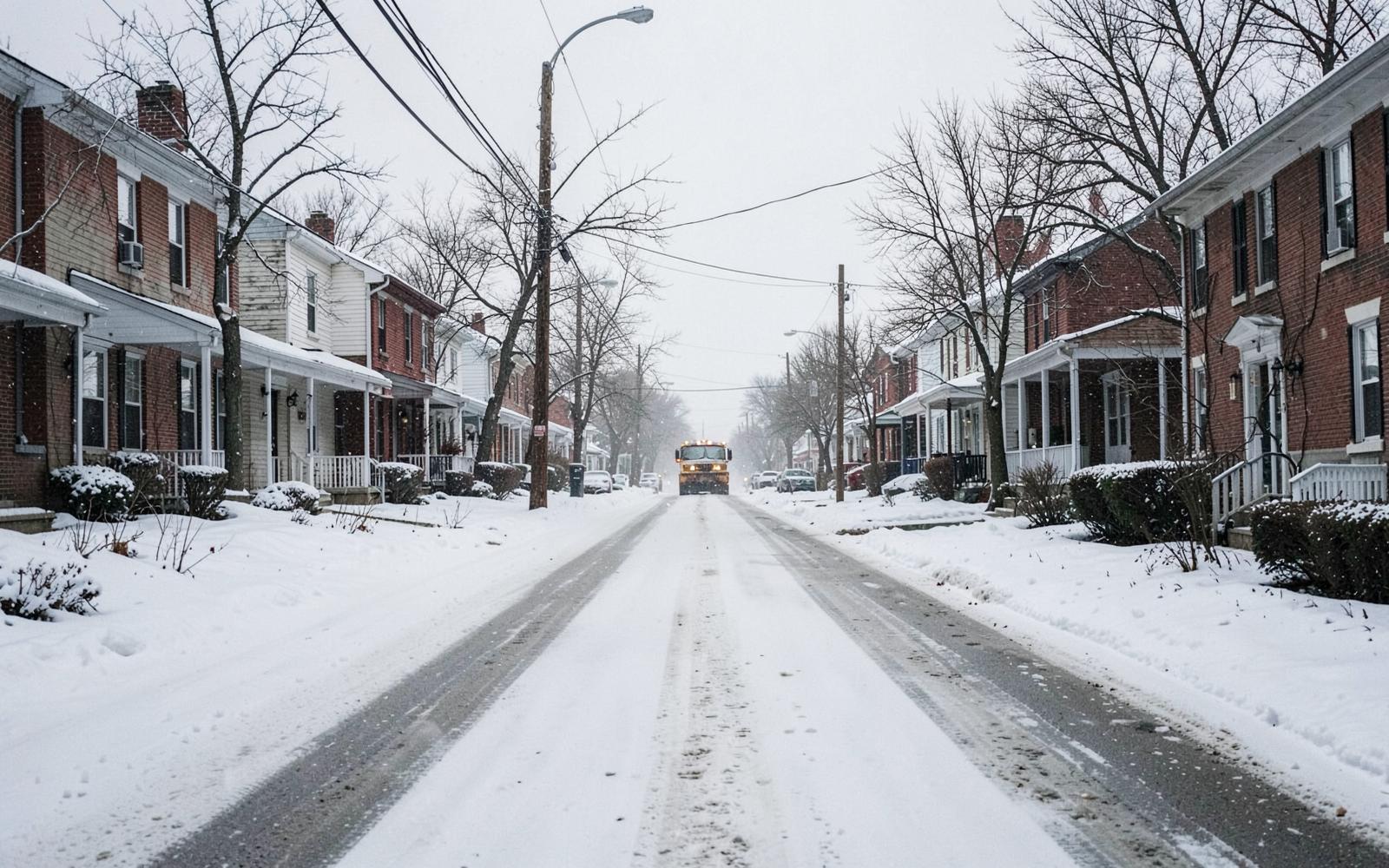
At issue is a proposed 6.4 percent increase in the city's property tax levy, the largest single-year request in nearly a decade. City finance staff describe it as a catch-up budget: snow removal costs have outrun their appropriation in four of the last five winters, a third of the city's arterial streets are rated poor or worse, and the behavioral crisis response teams that now answer a growing share of 911 calls are funded through a grant that expires in June.
"None of these are new problems," the city's budget director told the council. "What is new is that we have stopped being able to move money between them."
Residents who testified did not dispute the need. They disputed the distribution. Assessed values in parts of North Minneapolis have risen faster in percentage terms than in the lakes neighborhoods, a consequence of how quickly prices recover from a low base, and several homeowners said their tax statements have climbed even in years when the levy did not.
"I am not against paying for plowing," said a homeowner from the Jordan neighborhood who has owned her house since 1998. "I am against a formula where my street is plowed last and billed first."
Council members split along familiar but not strictly ideological lines. Two members from the south-central wards argued the levy should be higher still, pointing to deferred maintenance at park buildings and libraries. Two others pressed for a cap near four percent, paired with a hiring freeze in administrative departments. A third group, which appears to hold the deciding votes, asked staff to return with a levy in the low fives and an accompanying map showing where street work would occur.
That map is likely to matter more than the percentage. In each of the last three budget cycles, the council has approved capital spending in aggregate and left the sequencing to the public works department, an arrangement that has drawn steady complaints from residents who watch their potholes outlive their council members.
The city's own pavement condition survey, published in March, gives the argument some substance. Streets in the highest-value assessment districts were resurfaced on an average cycle of 24 years. In the four districts with the lowest median home values, the average was 31 years. Public works officials attribute much of the gap to the timing of utility replacement work, which dictates when a street can be rebuilt, rather than to any policy preference.
The department's director, in a written response to the council in August, acknowledged that the explanation has worn thin with the public. "The reasons are real and they are also not the resident's problem," he wrote. "We should be prepared to publish a schedule and be held to it."
Two further hearings are scheduled before a December vote. Under state law, the council may lower the levy it certifies in December but may not raise it above the maximum it sets this month — a rule that tends to push preliminary numbers upward and leaves the final figure genuinely open.
For the residents who stayed until the chamber emptied a few minutes before ten, the process itself was part of the testimony. "I took a bus here and I will take a bus home," one speaker said. "I would like the next two hearings to be somewhere on the north side."