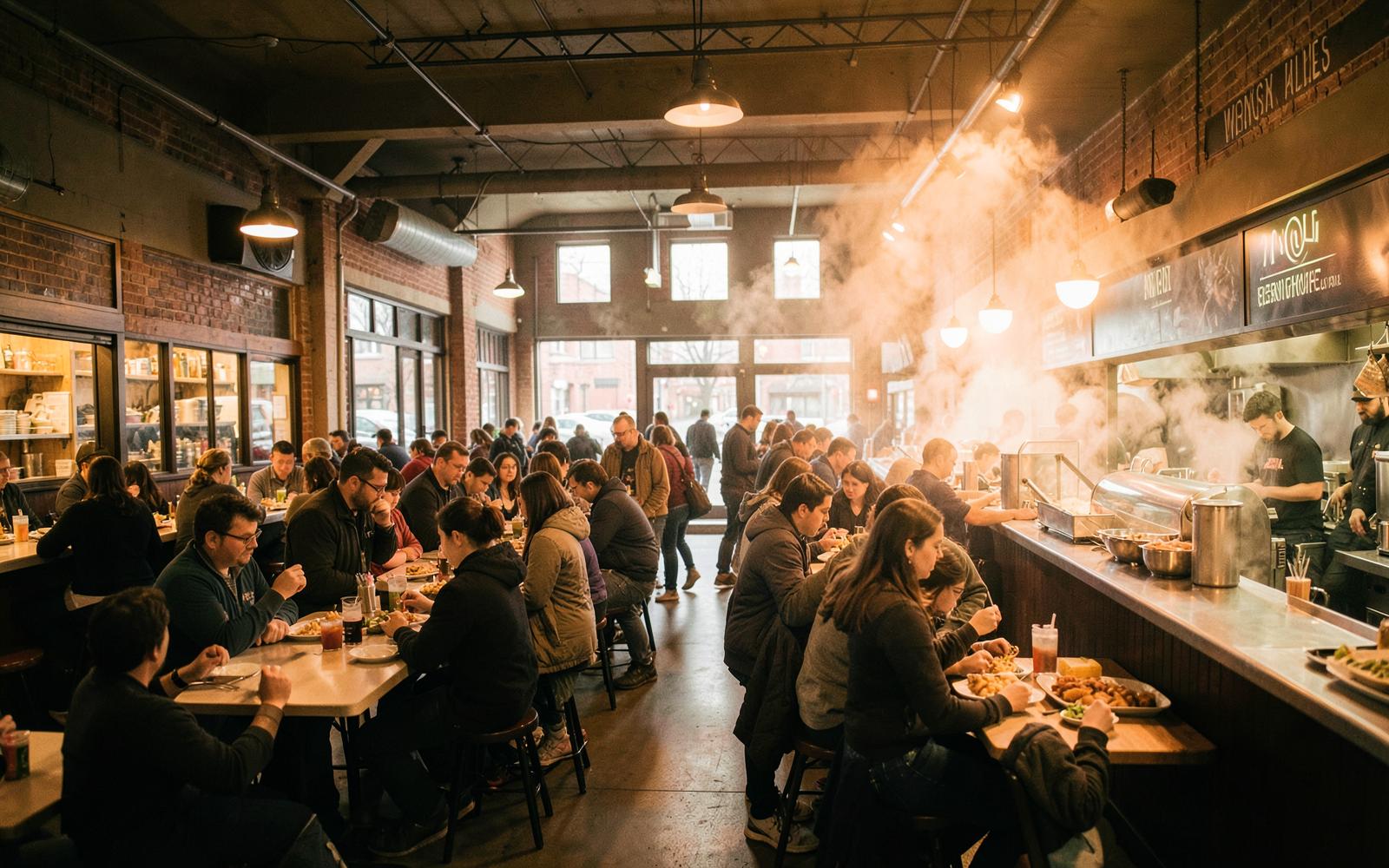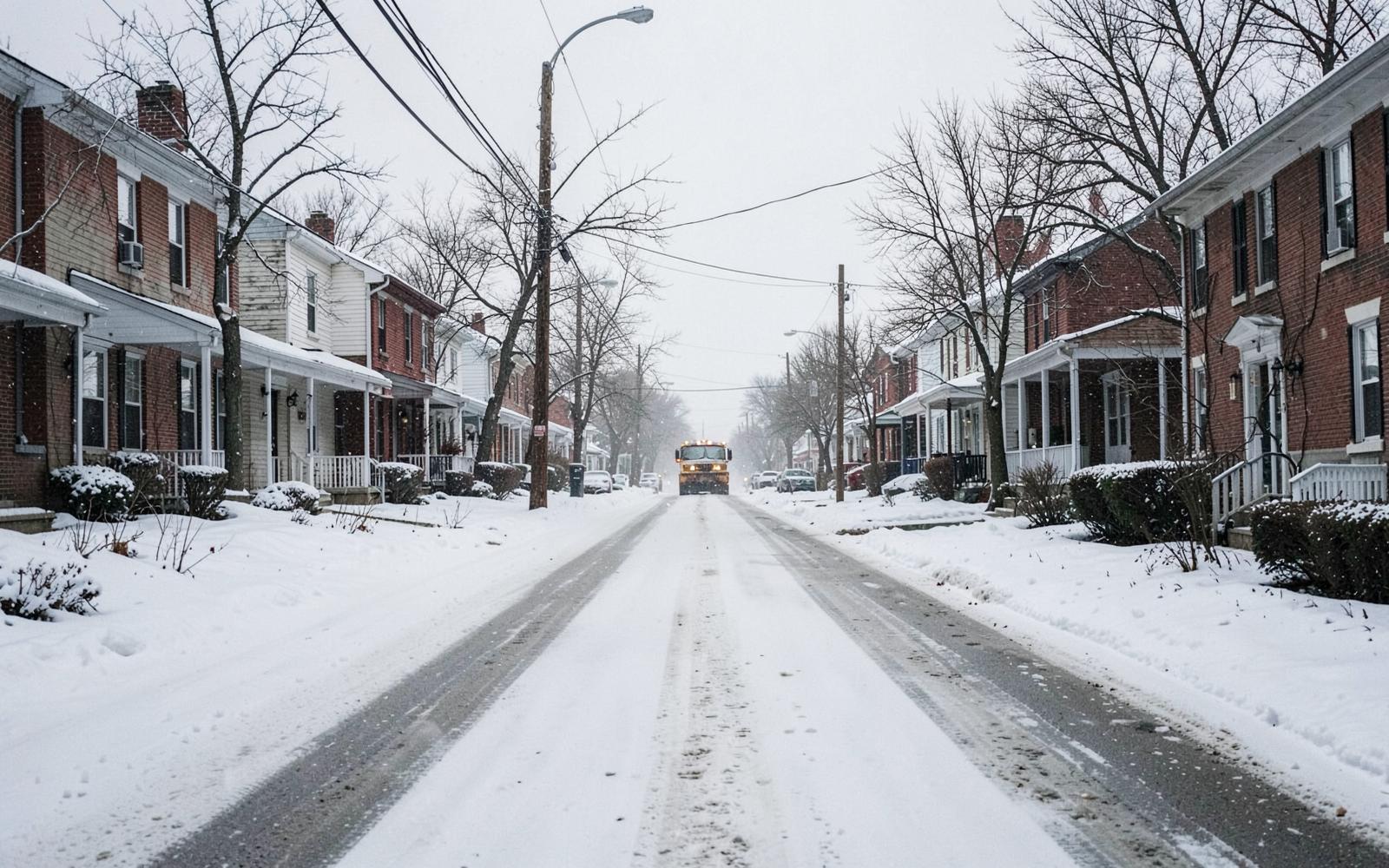
There is a local sartorial convention that visitors notice immediately and residents rarely articulate: the outerwear is the outfit, and everything underneath is a private matter.
For five months of the year, the garment a Minneapolis resident is seen in most is a coat. The rest is glimpsed indoors, briefly, between a hook and a chair.
This has produced a regional relationship with clothing that is unusually functional and, until recently, unusually unexamined. The prevailing aesthetic — practical, understated, quietly expensive — was frequently mistaken for an absence of interest in style.
A generation of local designers has been arguing otherwise. Several small Twin Cities labels now design explicitly for the climate, treating insulation, wind resistance and range of motion as design constraints rather than compromises.
"Nobody calls a wetsuit a compromise," one designer whose studio operates in Northeast said. "It is a technical garment for a specific environment. So is a parka. We just got used to buying ugly ones."
The materials conversation has shifted with the sustainability one. Wool, which the region's climate suits and which was displaced by synthetics, has returned in local collections. Repair and resale have grown substantially, aided by a secondhand market that in a cold climate has always been robust.
The layering discipline is the other thing locals do without noticing. A Minneapolis winter day frequently spans a forty-degree range between an overheated office and a bus stop, and the resulting habit of dressing in removable increments is a genuine regional skill.
Summer has its own code, compressed into four months and treated with an intensity that surprises outsiders. The first sixty-degree day in April empties offices.
What has changed most is the shoulder seasons. Warmer, more variable autumns have extended the window in which a light jacket suffices, and retailers report that the heavy coat purchase has moved later — a small commercial signal of a larger climatic one.
The deep freeze still arrives. It arrives later and less reliably, and the wardrobe that developed over a century of dependable cold is adjusting to weather that is merely usually cold.