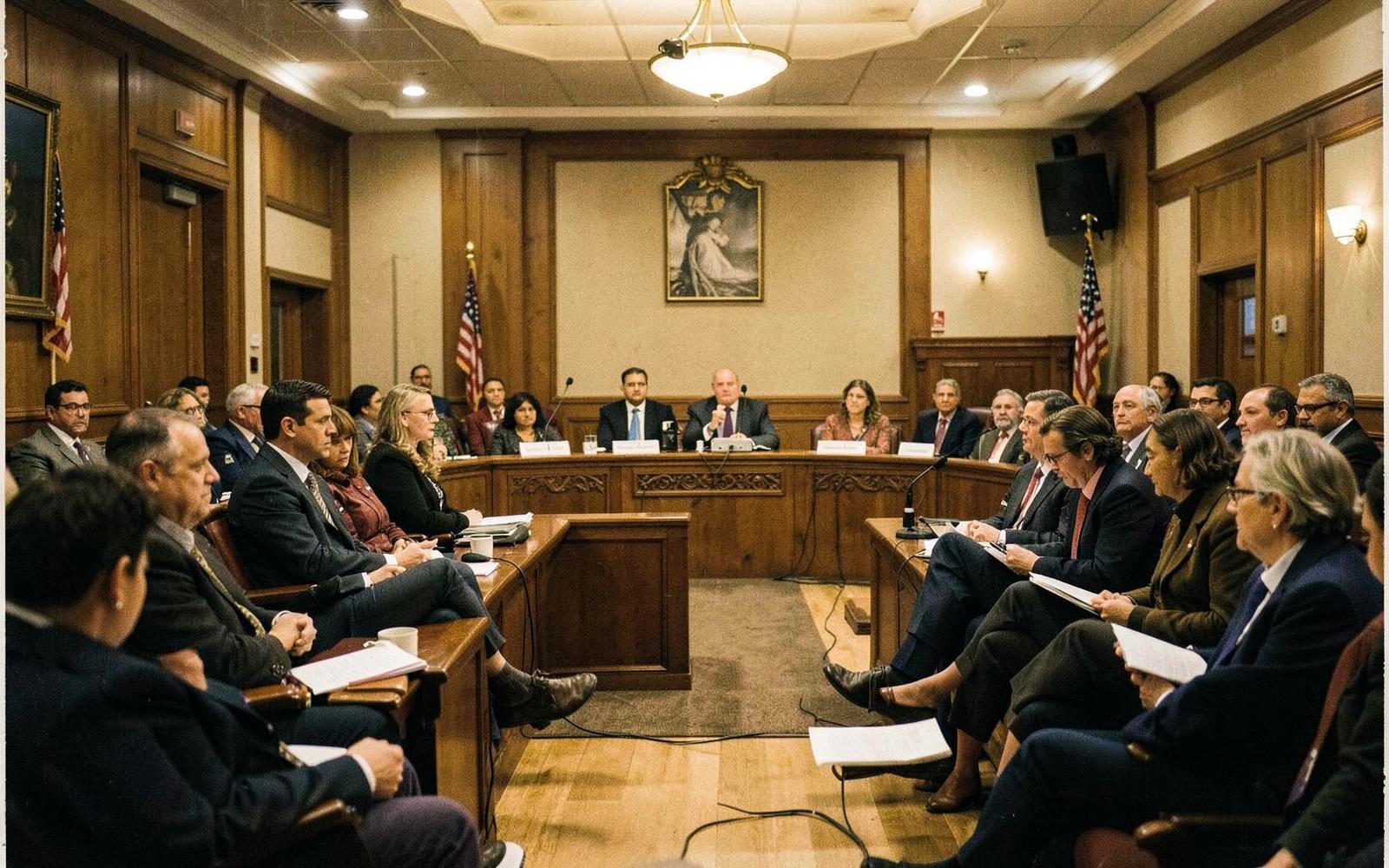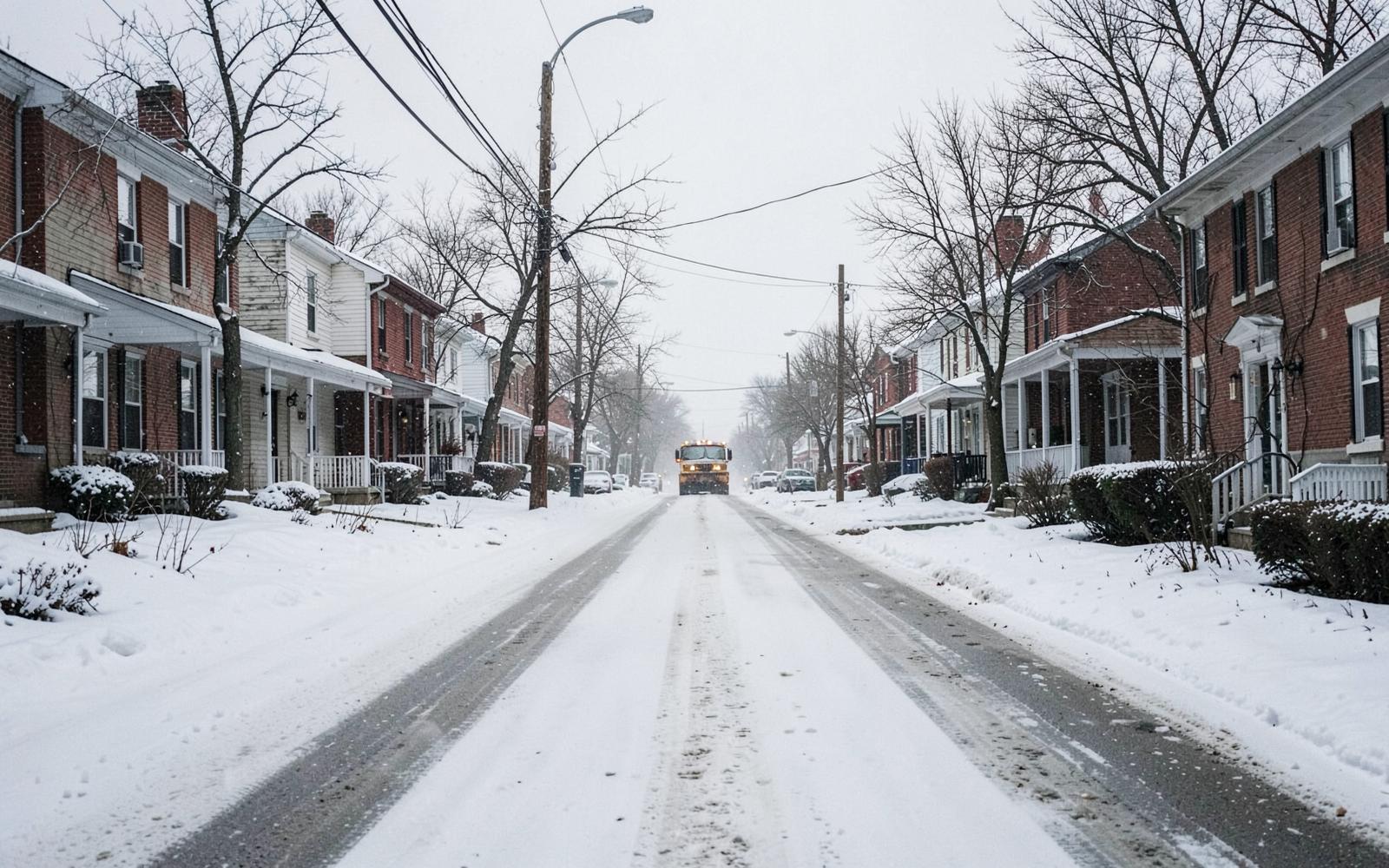
The corridor has been studied so many times that residents can recite the acronyms. What changed this summer is that the route is now fixed, the municipal consent votes have been taken, and the first utility relocation contracts are out for bid.
The extension would carry light rail from downtown Minneapolis northwest through Robbinsdale, Crystal and Brooklyn Park, running for several miles along a commercial spine that has absorbed a half century of disinvestment. Supporters describe it as the most consequential public investment on the north side since the interstate was cut through it.
That comparison is precisely what worries some of the people it is meant to persuade. The interstate, too, arrived with promises.
"We are not anti-train," said a pastor whose congregation sits four blocks from a planned station. "We have been asking for this train since my daughter was in grade school. She is a nurse now. The question is whether the people who asked for it will still be here to ride it."
The county's own analysis projects that station-area rents will rise faster than the regional average for roughly a decade after opening. Planners argue this is a manageable problem with the right tools, and point to a land trust that has assembled eleven parcels along the corridor, a commercial stabilization fund for small businesses facing construction-period revenue losses, and a zoning overlay that requires affordability in new buildings above a certain size.
Critics note that the land trust's eleven parcels sit inside a corridor with several hundred, and that the stabilization fund was capitalized at a level that would cover about one storefront per block for one year of construction.
Construction is the near-term fight. Business owners who lived through the Green Line build in St. Paul describe two years of closed lanes, rerouted buses and customers who found other habits. A hardware store owner on West Broadway said he has begun setting aside revenue now, in anticipation.
"I do not need a grant application," he said. "I need to know which month my curb disappears."
Project staff say a construction sequencing calendar will be published before the first full closure, and that a corridor liaison will be assigned to each commercial block. Similar commitments were made on prior projects and kept unevenly.
There is also an argument, quieter but persistent, that the debate over displacement understates what the corridor currently is. Between Penn and Fremont, more than a fifth of parcels are vacant lots or surface parking. The neighborhood has absorbed decades of what planners politely call disinvestment and residents call being skipped.
"Everybody talks about gentrification like it is the only thing that can happen to us," said a neighborhood council member who supports the line. "The other thing that can happen to us is nothing. That has been happening for fifty years."
Service is projected to begin in 2030. The utility work starts in April.