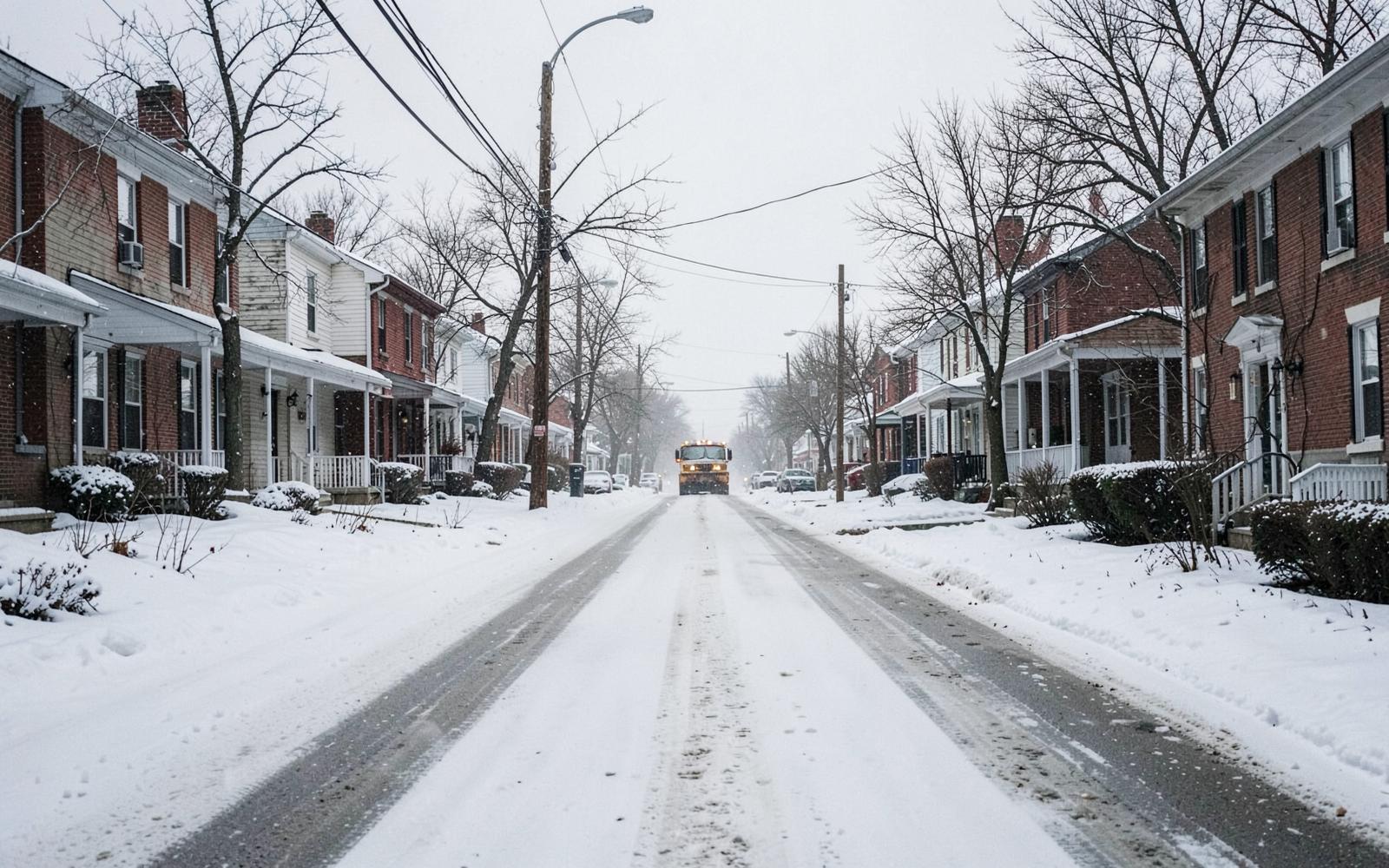
The regional grid operator's most recent assessment contains a sentence that would have read strangely a decade ago: the period of greatest reliability risk is a January morning.
For most of the twentieth century, electricity systems in the upper Midwest were built for summer. Air conditioning drove the peak, and planning reserves were sized against a hot August afternoon. Winter demand was high but manageable, and the coal and gas fleet ran through it.
Three changes have moved the risk. Coal plants have retired, and their replacements are wind, solar and gas. Heating is electrifying, with heat pumps now a meaningful share of new residential installations. And extreme cold events, while not more frequent, have become more likely to arrive alongside low wind output.
That last correlation is the crux. A deep cold snap in the upper Midwest often coincides with a high-pressure system and calm air. Solar output in January is limited by daylight. Demand spikes exactly when two major resources underperform.
The operator's answer is a mix: retaining gas capacity longer than climate advocates prefer, expanding transmission to import from regions with different weather, and investing heavily in demand response.
Transmission is the item with the broadest support and longest timeline. Lines take a decade to permit and build, and the ones that would most improve winter reliability cross multiple states.
Demand response is faster and less visible. Utilities have expanded programs that cycle water heaters and, increasingly, defer electric vehicle charging during peak hours. Participation has exceeded expectations, in part because the interruptions are genuinely imperceptible.
Natural gas is the contested item. Gas plants provide the dispatchable capacity that makes a high-renewable system work on a January morning, and they also compete for the same pipeline gas that heats homes. During the 2021 southern cold event, that competition was the failure mechanism.
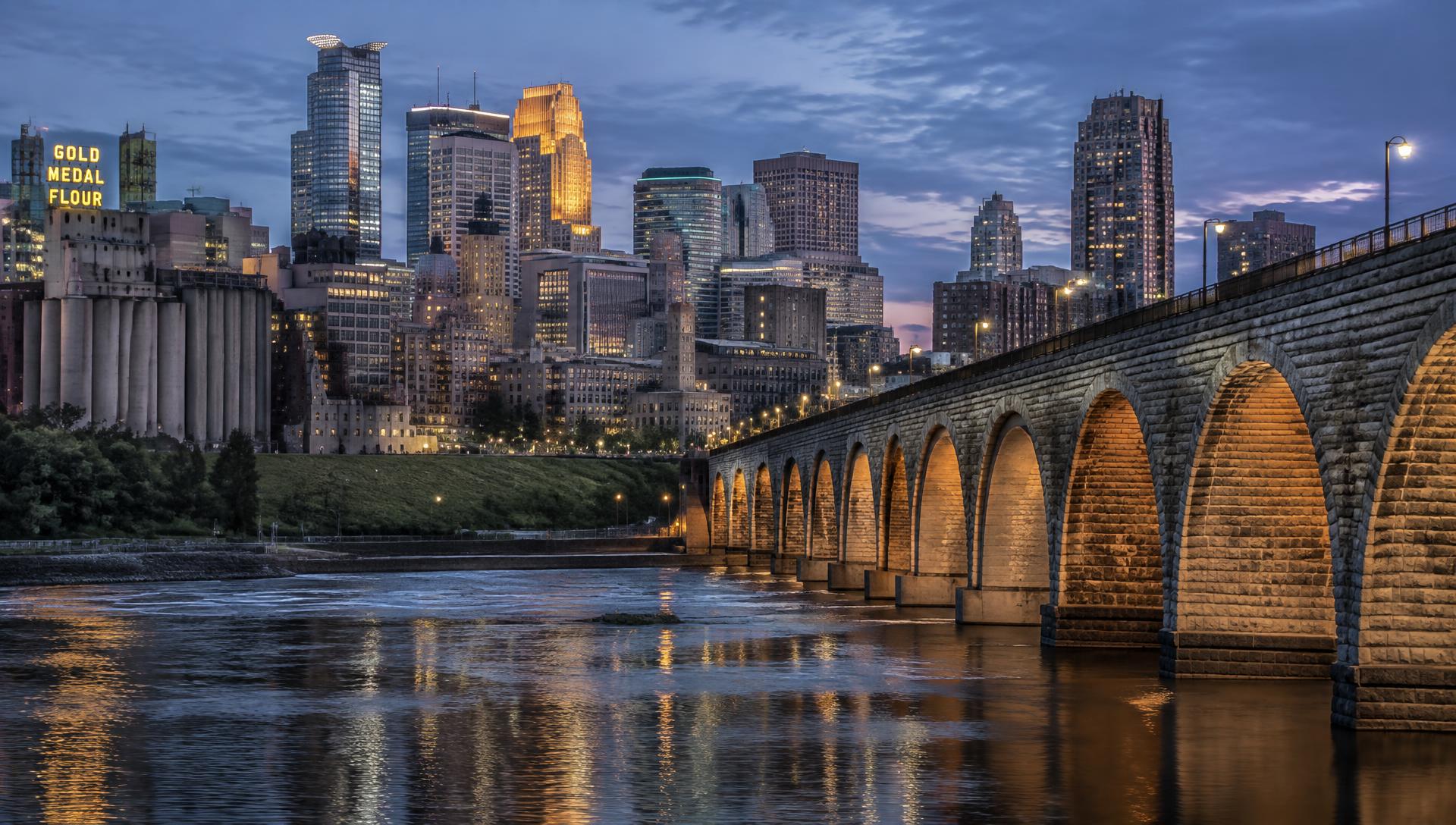
Minnesota's utilities have proposed new gas capacity framed as reliability infrastructure that will run few hours per year. Regulators have approved some and rejected others, and the arguments turn on projections nobody can verify in advance.
The grid held last winter, in conditions that came within a few degrees of the planning threshold. "Holding is the job," an operations engineer said. "Holding by a small margin is a warning, not a result."