Every electric vehicle owner in Minnesota learns the same lesson in the same month. Cold reduces range, and the reduction is not small.
Testing consistently shows twenty to forty percent range loss at temperatures near zero Fahrenheit, driven by battery chemistry that slows in cold and by cabin heating, which in a combustion vehicle is free waste heat and in an electric vehicle is a direct draw on the pack.
Heat pump systems, now standard on most new models, have narrowed the gap considerably. Preconditioning while plugged in narrows it further. Neither eliminates it.
The infrastructure question follows from the physics. Cold batteries also charge more slowly, which means a fast charger that delivers a session in twenty minutes in July may take forty in January — doubling effective demand on a corridor charger without any increase in the number of vehicles.
State charging corridor planning has begun accounting for this, sizing sites along Interstate 94 and Highway 61 for winter throughput rather than annual average. Earlier installations were not sized that way, and the resulting queues on holiday weekends have become a predictable January news story.
Adoption is nonetheless rising. Registrations have grown in each of the last five years, concentrated in the metropolitan area and among households with garage parking, which is the other quiet variable.
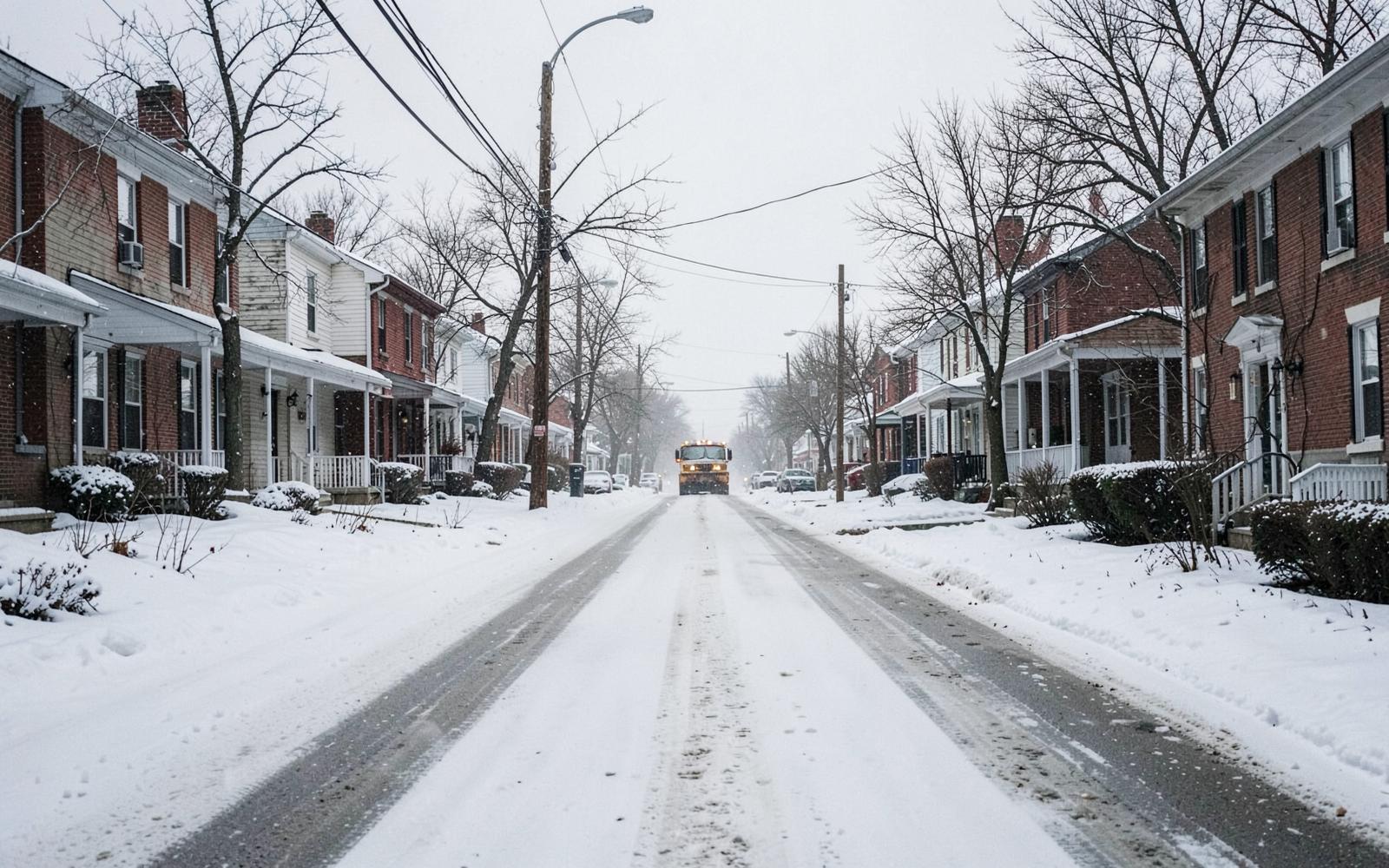
Home charging is easy with a garage and difficult without one. In Minneapolis neighborhoods dominated by street parking and older housing without off-street space, the practical barrier to ownership is not price or range but the absence of a place to plug in overnight.
Several cities have piloted curbside charging on light poles, with mixed results in snow country: a charging cable crossing a sidewalk is a maintenance and liability question in winter that it is not in Portland.
The used market is where the next phase will be decided. Early electric vehicles are now reaching second and third owners, and battery degradation in cold climates is better than early pessimism predicted but variable enough that valuation is unsettled.
Mechanics report a related shift: independent shops that built businesses on oil changes and exhaust work are retraining for high-voltage service, and the ones that have not are seeing the youngest segment of their customer base disappear.