The permits are being filed now for events that will happen in January, which is how a city with a five-month winter manages to have anything to do in it.
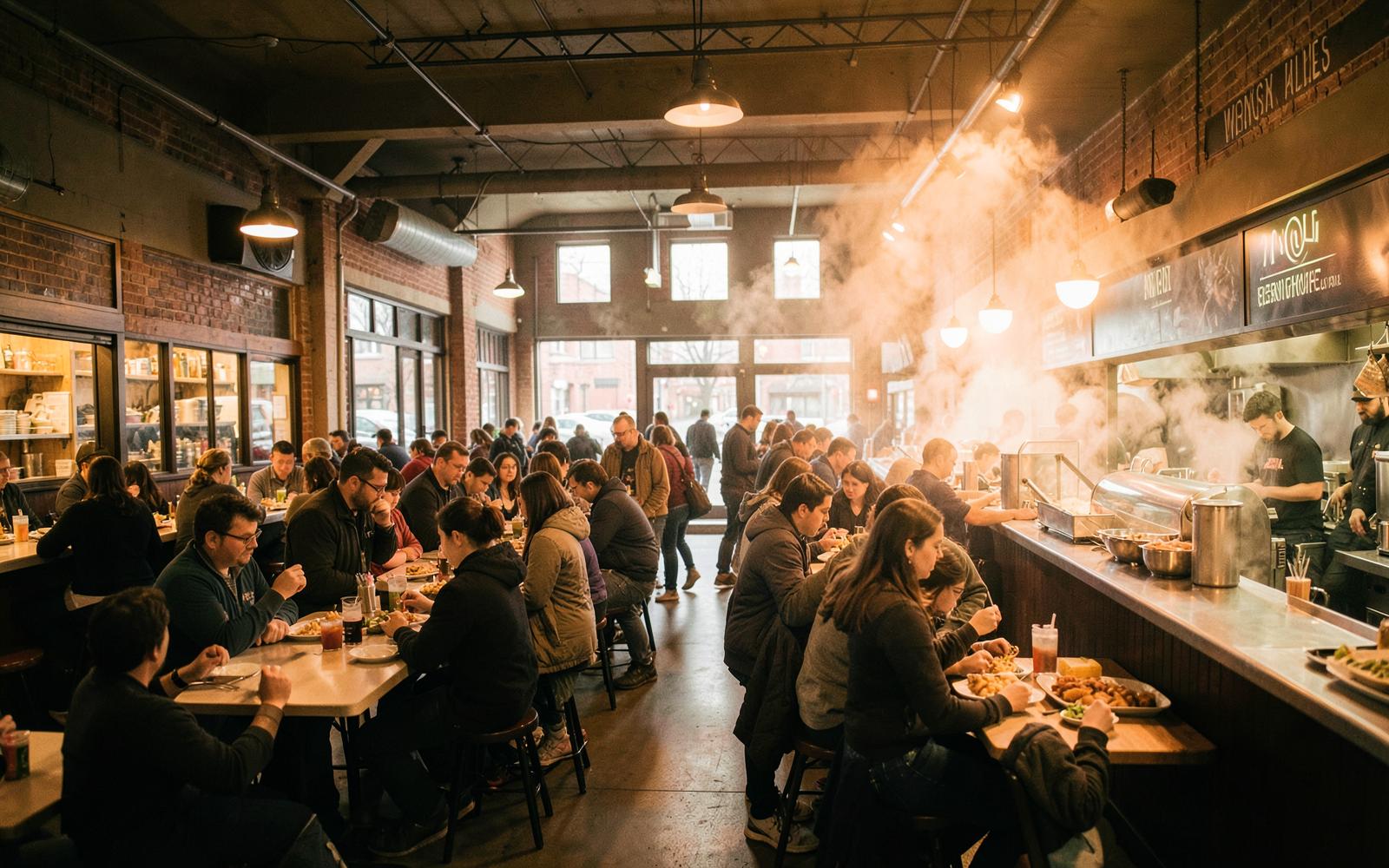
The Great Northern, the region's multi-day winter festival, coordinates programming across both cities during what is typically the coldest stretch of the year. Its organizing premise is straightforward and slightly defiant: schedule the celebration at the hardest moment rather than around it.
Luminary walks, outdoor saunas, ice sculpture, broomball tournaments, pond hockey on the lakes, and a schedule of indoor programming that operates as insurance. The festival has grown steadily and has spawned imitators in other northern cities.
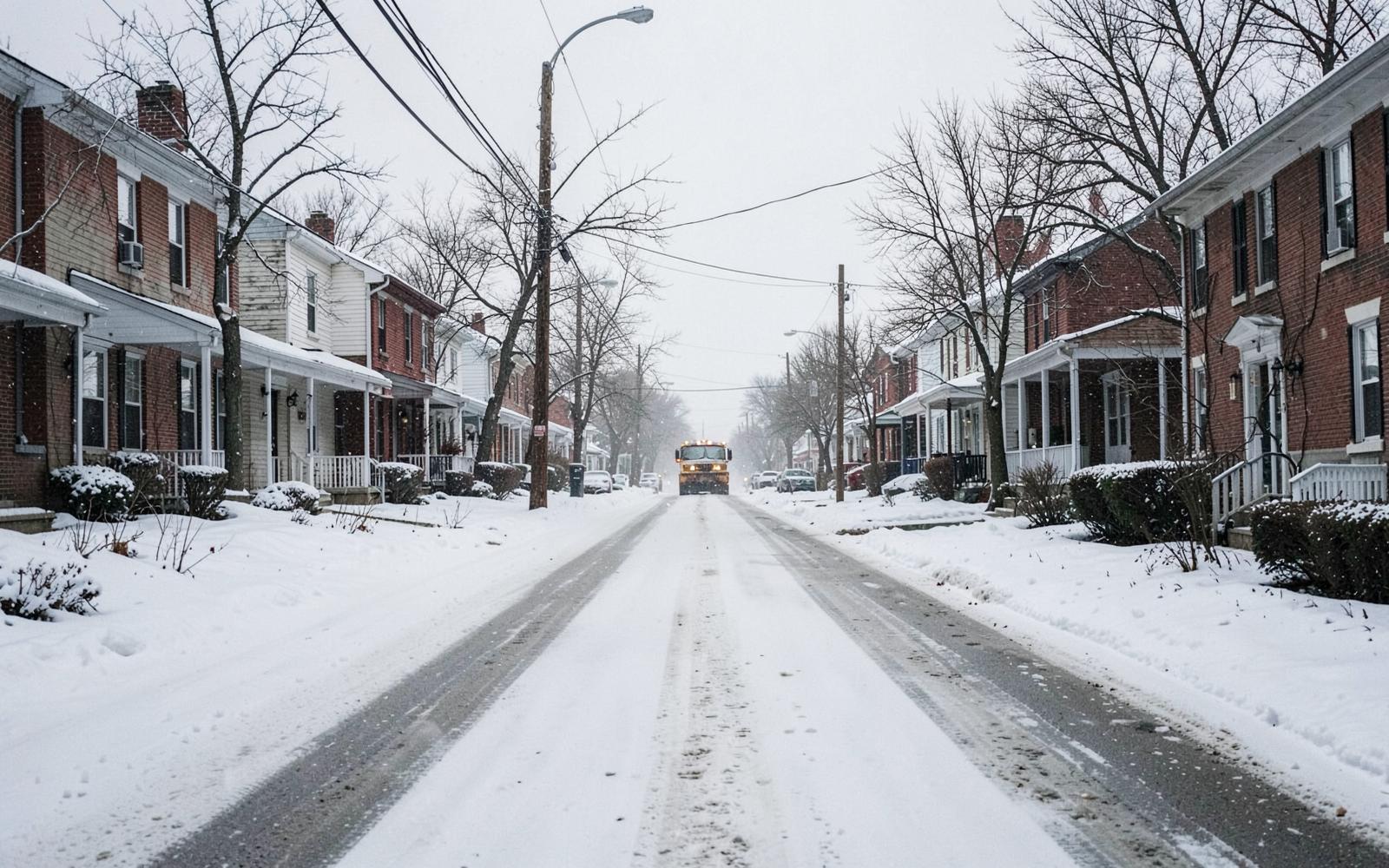
The weather risk is real and increasingly awkward. Events built around reliable ice have been disrupted by thaws in several recent years, and the pond hockey tournament has twice relocated on short notice.
Organizers have adapted by building flexibility into the schedule and, in some cases, into the concept — programming that works at twenty degrees and at forty.
Neighborhood-scale winter programming has grown alongside the large festivals. Park board rinks, most cleared and maintained by volunteers, open in December and depend entirely on a stretch of cold nights arriving on schedule.
Libraries extend hours and expand programming in winter, a quiet piece of public infrastructure that carries more weight in January than most residents notice. Warming spaces, which serve a genuine emergency function for residents without stable housing, are coordinated through county and nonprofit networks and are chronically short of capacity.
The sauna culture is the most notable recent addition. Mobile sauna operators now set up at lakes, breweries and parking lots across the city, and the practice — sit in extreme heat, walk outside into extreme cold, repeat — has moved from a Finnish-Minnesotan inheritance to a mainstream winter activity.
Booking for all of this happens now. Ice time, park permits, equipment rental and volunteer recruitment run on a lead time of three to four months.
"People think winter programming is spontaneous," one organizer said. "It is the most planned thing we do all year. Summer, you can put out chairs."