Minneapolis has an unusually formal neighborhood structure: dozens of recognized organizations, each with a defined boundary, an elected board and a small allocation of city funding.
The system dates to a 1990 program that distributed tax increment revenue to neighborhood groups for locally determined projects. It funded housing rehabilitation, small business support, park improvements and a great deal of ordinary community infrastructure.
That original funding stream has long since wound down, replaced by a smaller and more competitive allocation. The organizations persist, staffed in most cases by one or two people and governed by volunteers.
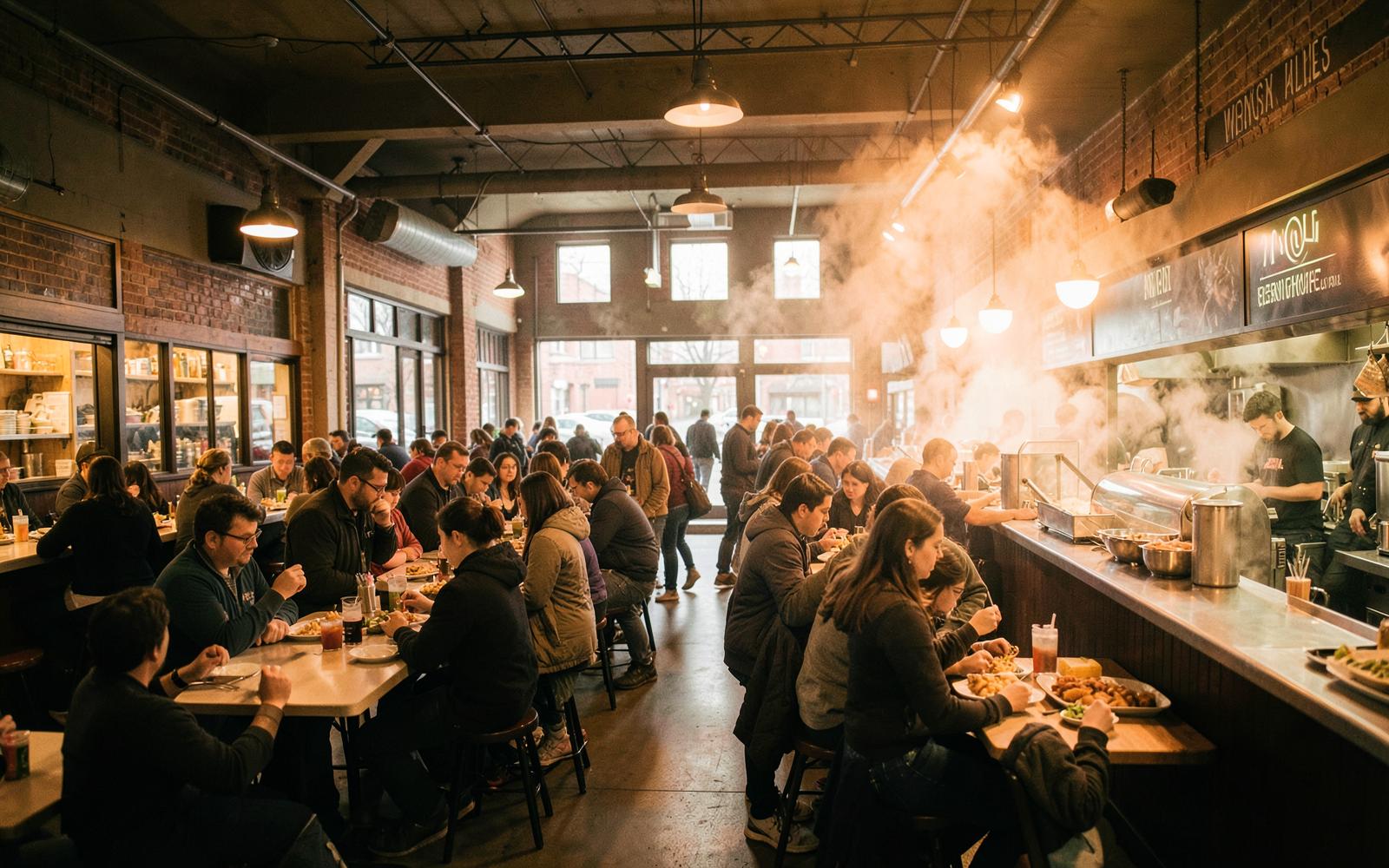
What they do is unglamorous and load-bearing. They organize the festivals. They run the community gardens. They staff the tables at which residents learn about a proposed development before the public hearing.
They also function as the city's early warning system. A neighborhood coordinator typically knows about a problem block, a struggling business or a brewing dispute months before it reaches a council office.
The system's weaknesses are well documented. Board participation skews older, whiter and more likely to own property than the neighborhoods they represent — a gap the city has addressed with engagement requirements tied to funding, with partial results.
Renters are the persistent gap. In neighborhoods where a majority of households rent, boards are frequently dominated by homeowners, and the resulting positions on development questions are predictable.
Several organizations have restructured specifically to address this, reserving board seats for renters and holding meetings at hours that accommodate shift work. The organizations that have done so report more contentious meetings and better attendance, which their directors regard as the same finding.
Funding remains the constraint. An organization operating on a small annual budget cannot sustain professional staff, and turnover in coordinator positions is high.
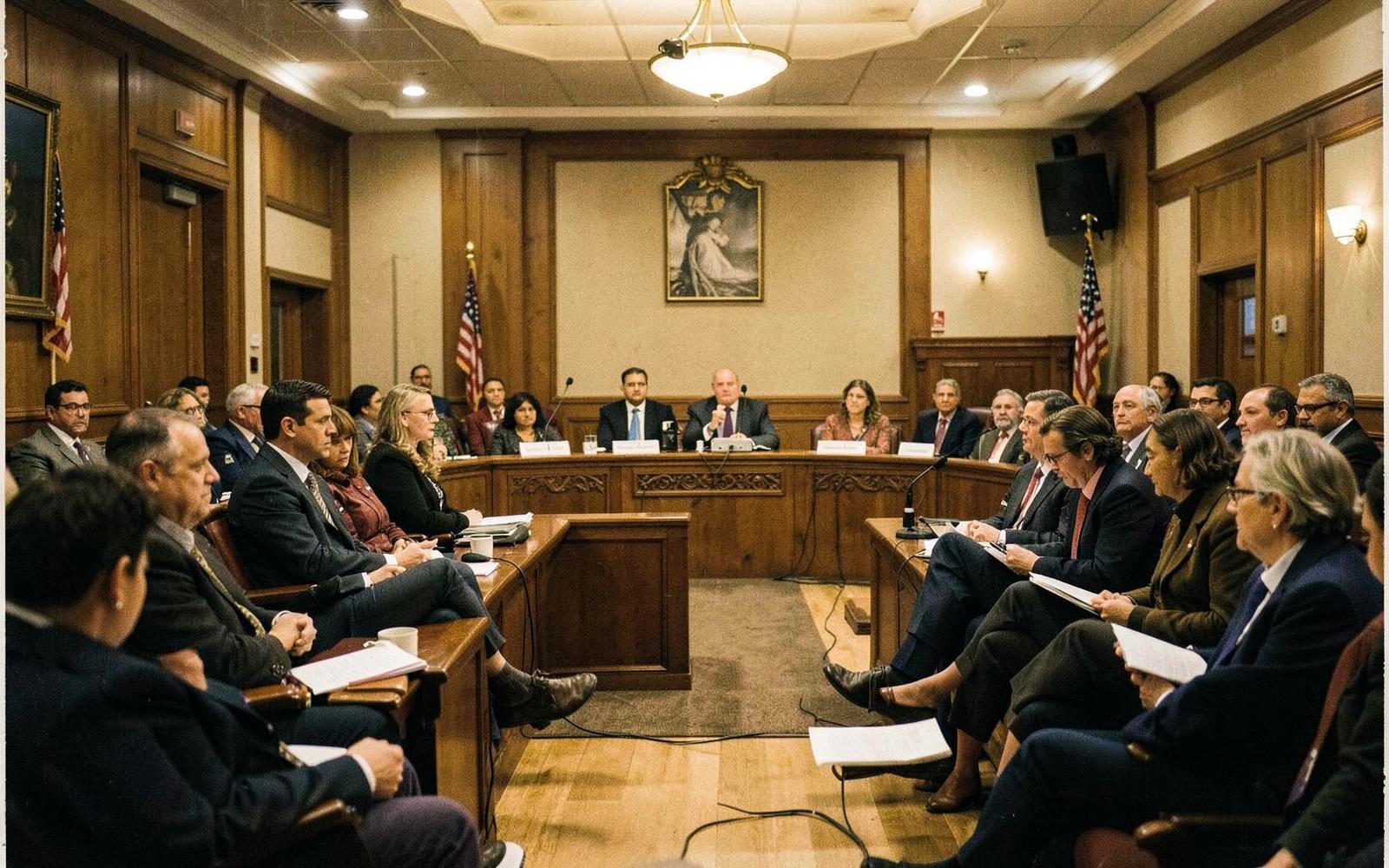
For residents who want to participate, the entry point is low. Board meetings are open, most are monthly, and the agendas are published. Nearly every neighborhood in the city has at least one open seat at any given time.