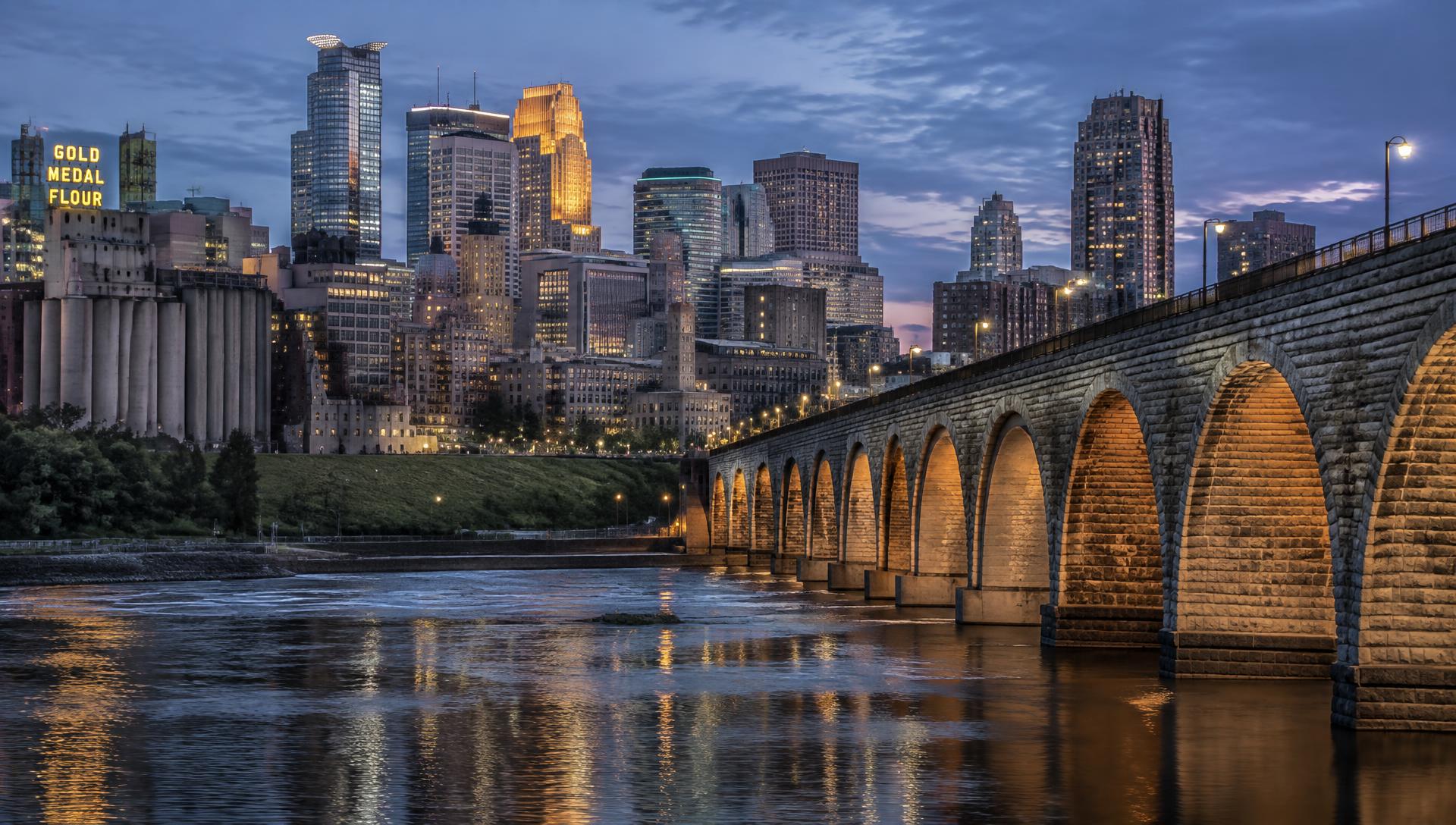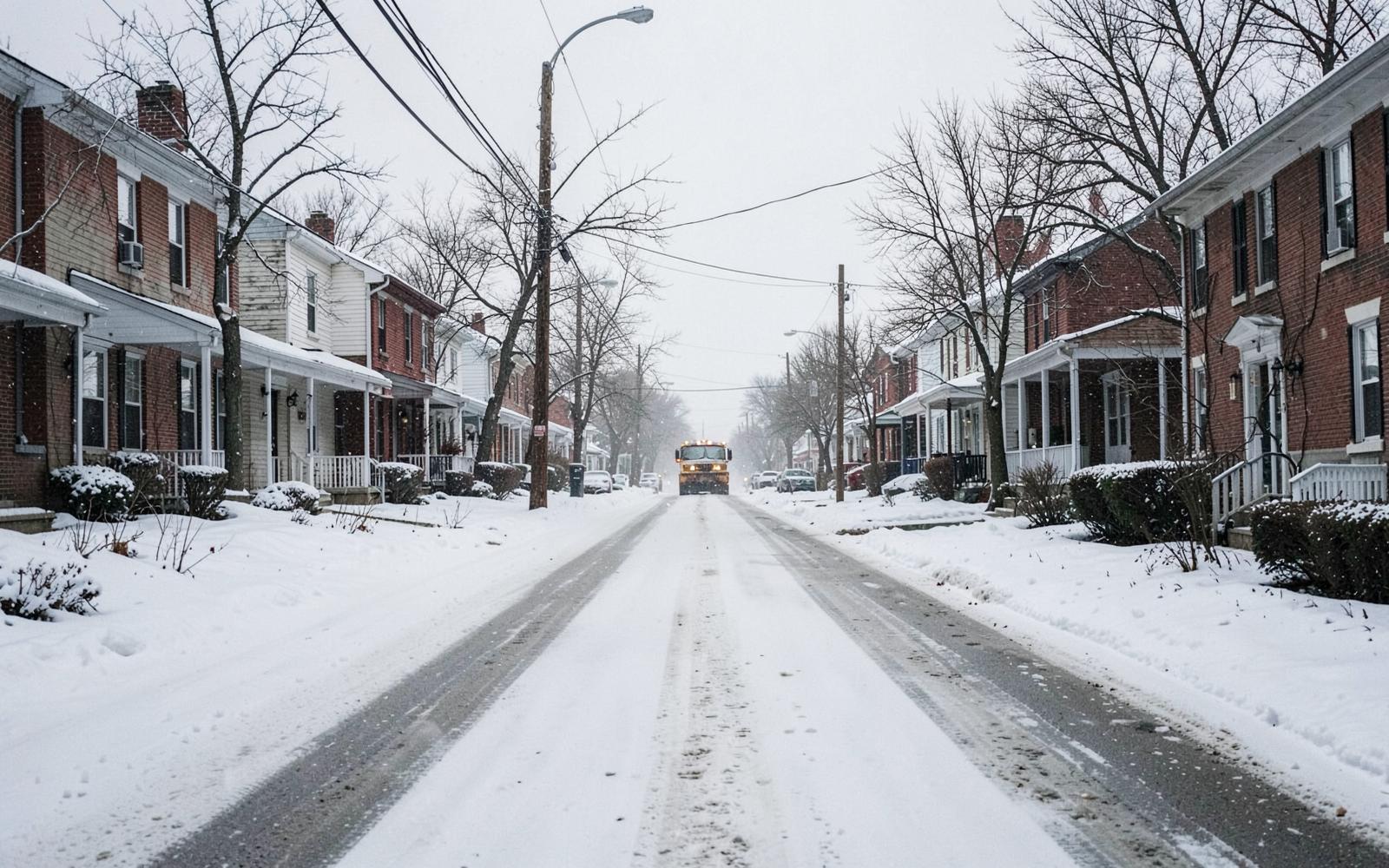
Oulu sits near the Arctic Circle, receives more snow than Minneapolis and colder averages in January, and roughly a fifth of its winter trips are made by bicycle. This statistic has become a minor obsession among North American transportation planners, and a delegation from Minneapolis spent a week here trying to determine how much of it is transferable.
The short answer, according to the Finnish engineers who hosted them, is: the technique transfers, the sequence is the hard part.
Oulu's winter maintenance treats its main cycling network as a priority corridor, cleared before or alongside arterial roads rather than after them. The paths are plowed to a compacted snow surface rather than to bare pavement, which studded winter tires handle well and which costs less than salting.
None of this requires unusual equipment. It requires a decision about order, made once and held for decades.
"Everyone asks about our machines," a city maintenance supervisor said. "The machines are normal. What is not normal is that nobody here has an argument about whether the path gets cleared. It is not a discussion. It is Tuesday."
Minneapolis has invested substantially in protected bikeways and clears a designated winter network, but priority ordering remains contested, and complaints about unplowed paths are a fixture of January. The delegation's interest was less in the policy than in how Oulu made it politically permanent.
Part of the answer is that the network serves schools. Finnish children bike to school in winter in numbers that startle American visitors, which converts path maintenance from a recreational amenity into a school transportation obligation — a category that is far harder to defund.
Part of it is measurement. Oulu publishes maintenance completion times by route, and the data is unglamorous enough that nobody disputes it.
The delegation also came back with cautions. Oulu is smaller, denser at its core and has a flatter street grid. Finland's road safety culture and vehicle speeds differ meaningfully. And the compacted-snow technique depends on temperatures staying reliably below freezing — a condition Minneapolis winters, with their thaw-refreeze cycles, increasingly fail to meet.
That last point may be the most consequential. The ice that forms when a February thaw refreezes overnight is a different maintenance problem than snow, and it is becoming more common in Minnesota than in northern Finland.
"We are not becoming warm," a Minneapolis public works engineer said on the flight home. "We are becoming unpredictable. Those require different plans."