Some of the fastest residential internet service in Minnesota is not in Minneapolis. It is in counties with fewer people than a single city ward, served by electric cooperatives and municipal utilities that built fiber because no commercial provider would.
This inversion has become the central exhibit in a revived Minneapolis debate. Speed test data collected across the city shows median download speeds in some neighborhoods running at a fraction of those a few miles away, with the gap tracking older infrastructure and lower median incomes.
The providers dispute the methodology, reasonably: crowd-sourced speed tests measure the plans people buy, not the service available. Someone on an inexpensive tier registers a slow result on a network capable of far more.
That distinction matters less than it sounds, because affordability is the barrier in question. A household that cannot afford the gigabit tier does not have gigabit service.
Municipal proposals fall into three categories. A full municipal network, built and operated by the city, is the most expensive and politically hardest. An open-access model, in which the city builds conduit and fiber and leases capacity to competing retail providers, is cheaper and has worked in several American cities. A partnership model, in which the city contributes conduit and rights-of-way to a private build, is the easiest to pass and the least likely to change prices.
Minnesota law constrains all three. Statutes require a supermajority referendum for municipal telephone exchanges, and while the application to broadband is contested, the ambiguity alone has deterred city attorneys for two decades.
The rural cooperatives offer instructive precedent. They built with federal loan programs, patient capital and an ownership structure that did not require a return within five years. Their take rates — the share of passed households that subscribe — often exceed seventy percent, well above what commercial models assume.
Urban economics differ. Density lowers cost per passing and raises competition, which is good for consumers and bad for the business case of a new entrant that must win customers from incumbents.
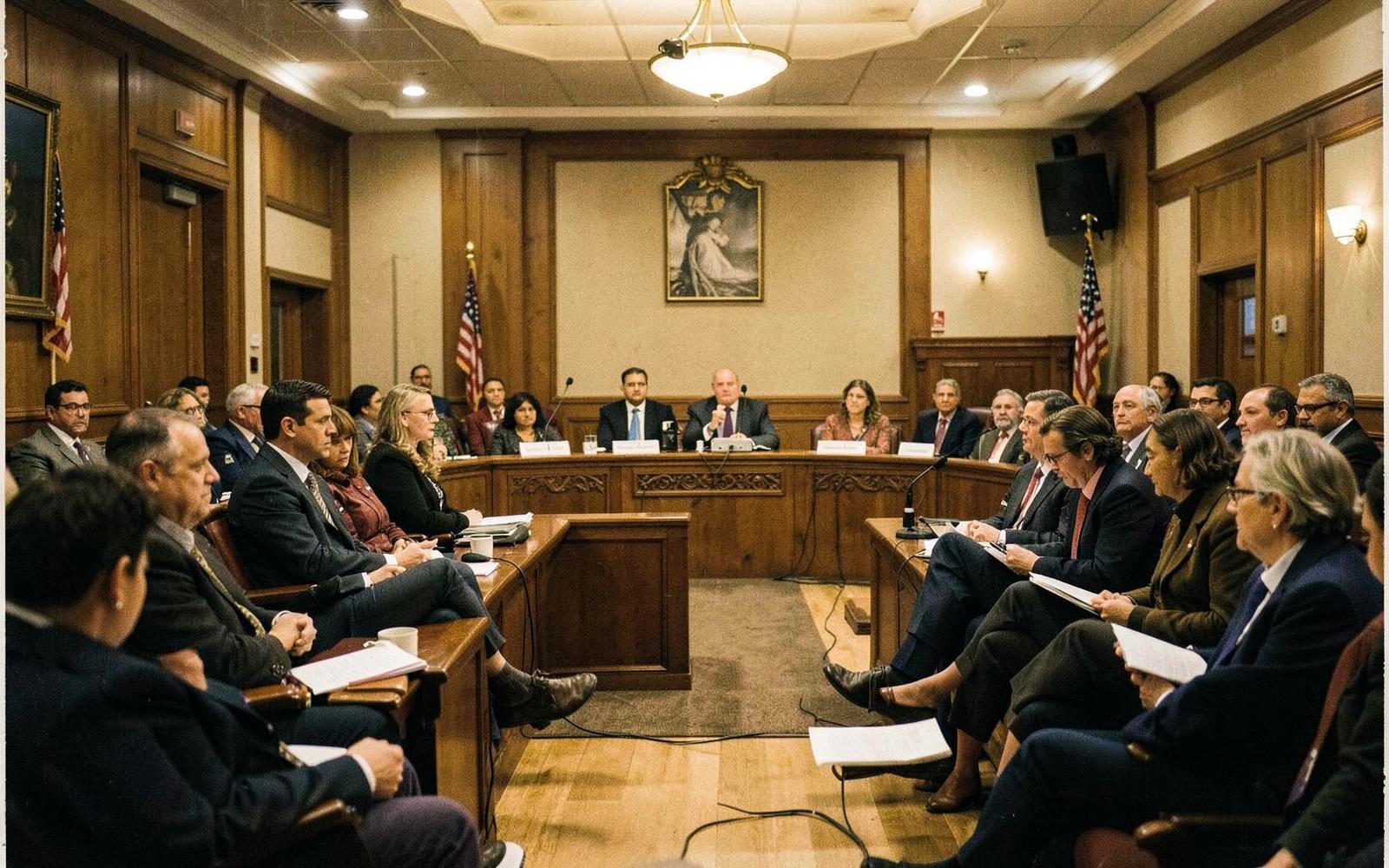
City staff have been asked to return with a feasibility study by spring. Two previous studies, in 2007 and 2016, reached cautiously negative conclusions. Construction costs have risen since. So has the price of doing nothing.