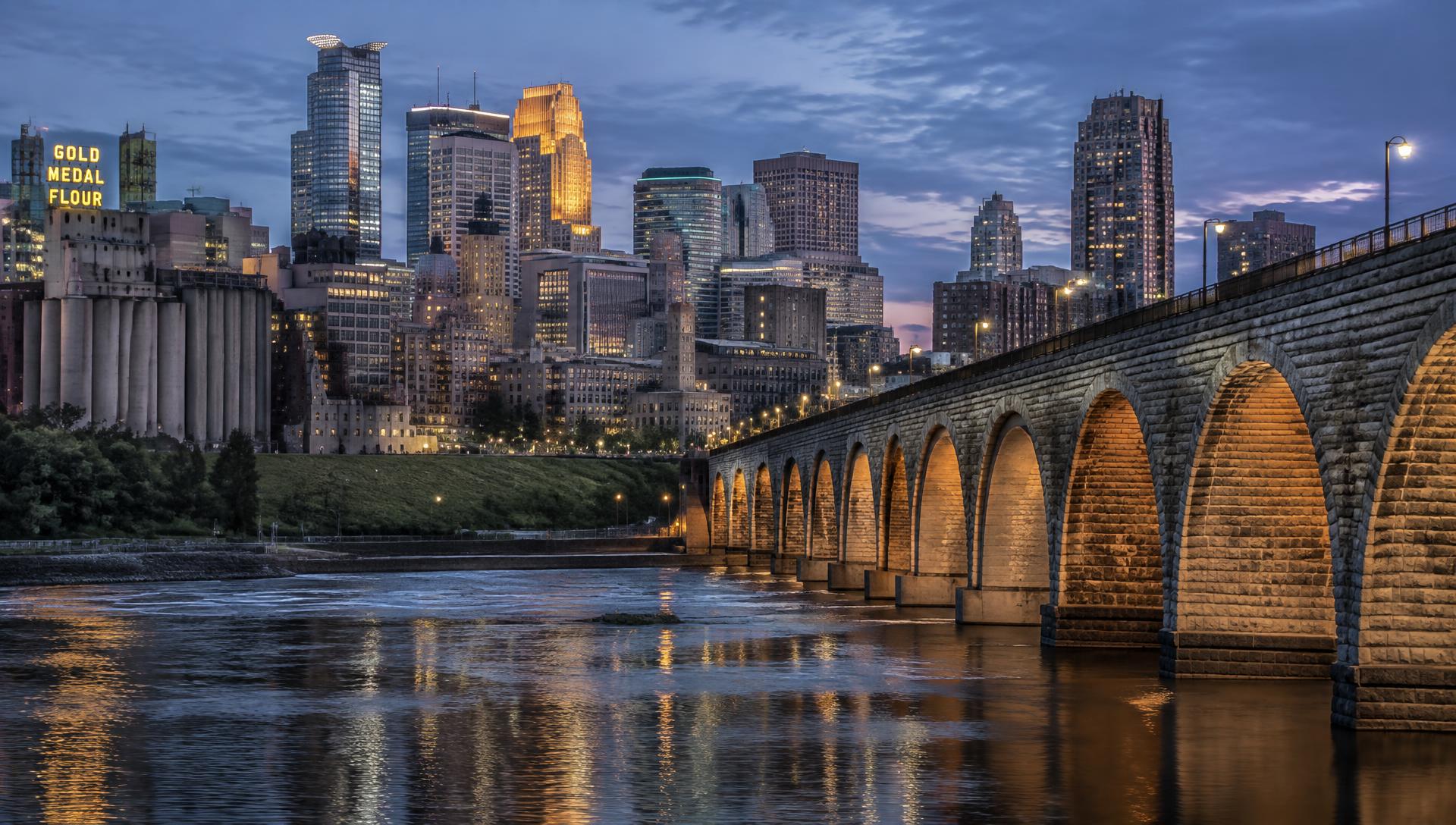
Minneapolis and St. Paul have more theater seats per capita than any American metropolitan area except New York, a statistic repeated so often locally that it has acquired the quality of weather.
The seats are still there. The subscription model that filled them is not what it was.
Across the region's larger companies, subscription sales have declined substantially from their pre-2020 levels, a pattern consistent nationally. Single ticket sales have partially compensated, and for some productions have exceeded projections.
The distinction matters more than the totals. A subscriber buys six shows in August and attends whatever is programmed, including work that would never sell on its own. A single ticket buyer chooses, and the aggregate of those choices is conservative — known titles, known playwrights, shorter runs.
"Subscription revenue was creative freedom," an artistic director at a mid-sized company said. "We are now raising that freedom philanthropically, which means asking people to fund risk explicitly rather than absorbing it invisibly."
The programming response has been visible. Seasons are shorter. Casts are smaller. Co-productions with companies in other cities, which split costs across two runs, have become standard rather than occasional.
Some of these adaptations have been artistically productive. A four-actor production is not a lesser thing than a twelve-actor production, and several of the most acclaimed recent Twin Cities productions have been small.
Others are straightforwardly losses. New play development requires a company willing to lose money on an unknown title, and the number of local companies able to do so has shrunk.
The smaller companies have had a harder time than the large ones, which is the opposite of the pandemic-era prediction that nimbleness would win. Large institutions had endowments and donor bases; storefront theaters had neither, and several have closed.
Audience composition has shifted too. Companies report younger single-ticket buyers and an older subscriber base that is not being replaced at the same rate — a demographic transition that will complete itself over about fifteen years whatever anyone does.
The region's underlying advantage remains intact: a dense concentration of trained artists who have chosen to live here. That is the asset the theater economy is actually built on, and it is the one that would be hardest to rebuild.